
The Ultimate Bridal Beauty Checklist: What Every Bride Needs to Know
- September 16, 2024
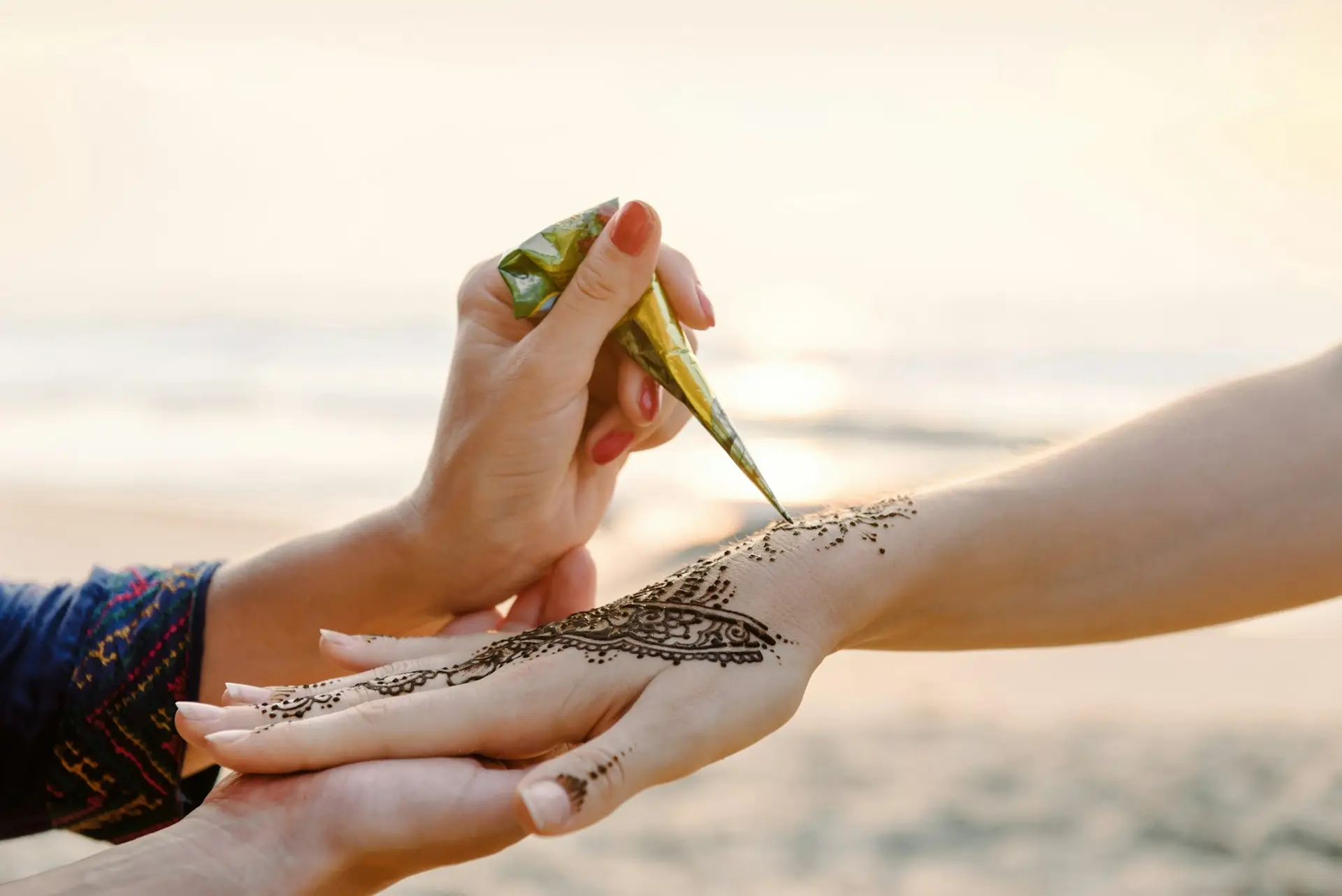
Henna has been celebrated for centuries as a symbol of beauty, joy, and cultural heritage. From ancient ceremonies to modern celebrations, henna remains a cherished art form. But how has this timeless tradition evolved to blend with contemporary artistry? Let’s explore the journey of henna designs from past to present.
History of Henna
Henna, derived from the Lawsonia inermis plant, has been used since antiquity in various cultures across the Middle East, North Africa, and South Asia. Traditionally, henna was applied during significant events such as weddings, festivals, and religious ceremonies. Its intricate designs and rich, reddish-brown stains symbolized luck, prosperity, and beauty.
Traditional vs. Modern
Traditional henna designs often feature intricate patterns, including paisleys, florals, and geometric shapes, each carrying symbolic meanings. In contrast, modern henna art embraces a wider array of styles, from minimalist lines to elaborate, customized designs. Contemporary artists blend traditional motifs with innovative techniques, creating unique and personalized henna that appeals to today’s aesthetic sensibilities.
Customization
Personalized henna designs allow for individual expression and creativity. Whether you’re looking for a design that reflects your heritage or something entirely unique, customization is key. Consult with your henna artist to create a design that resonates with your style and complements your overall look. Modern henna artists often incorporate personal elements, such as names or symbols, to make the design truly one-of-a-kind.
Henna is more than just a temporary decoration; it’s a celebration of culture and beauty. Whether you choose traditional patterns or modern designs, henna adds a touch of artistry to any occasion. Yasmin Hoosain Artistry brings both tradition and innovation to every henna design, ensuring a stunning and personal touch to your special event.